Advice on funding infrastructure for new homes
Background
Background
In February 2026, the Victorian Treasurer asked Infrastructure Victoria to provide advice on funding infrastructure for new homes over the next 30 years.
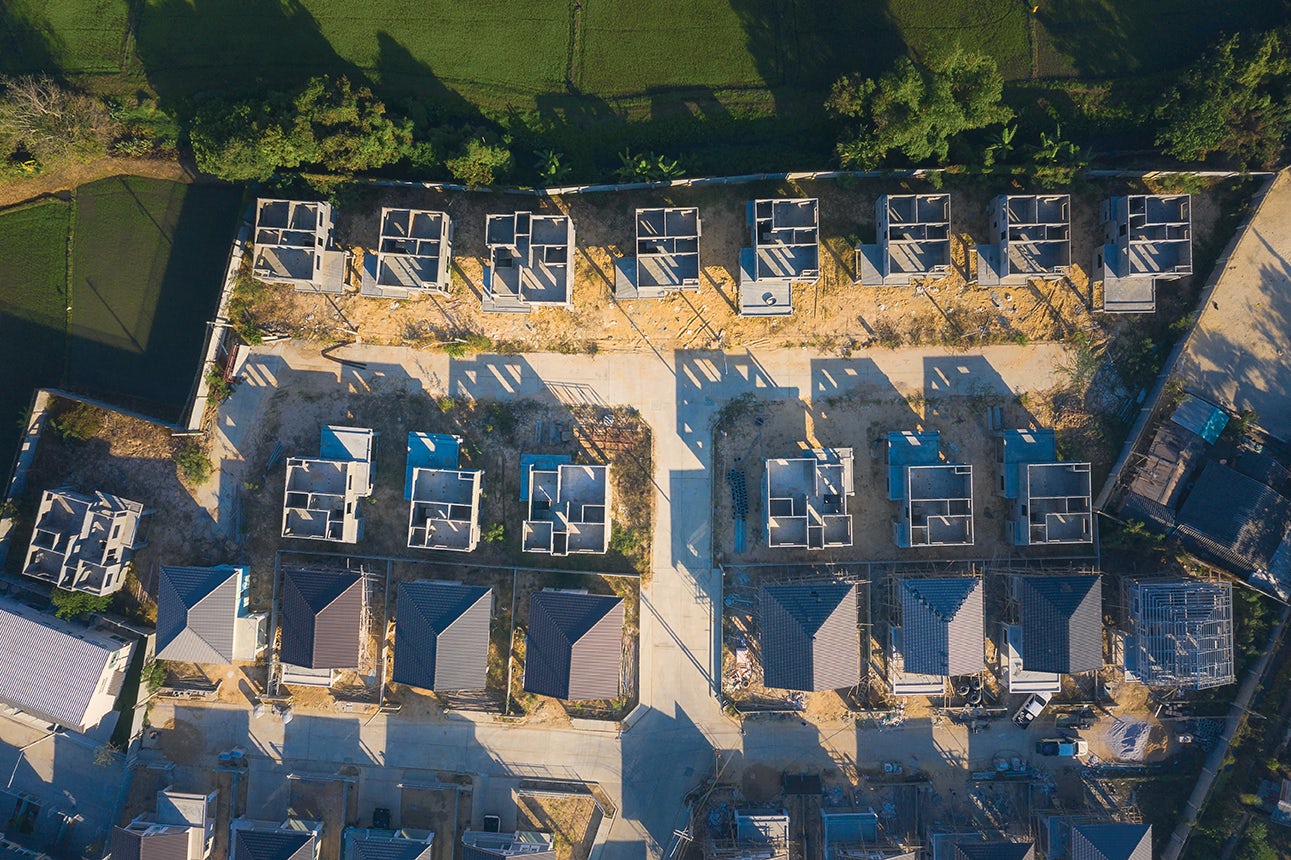
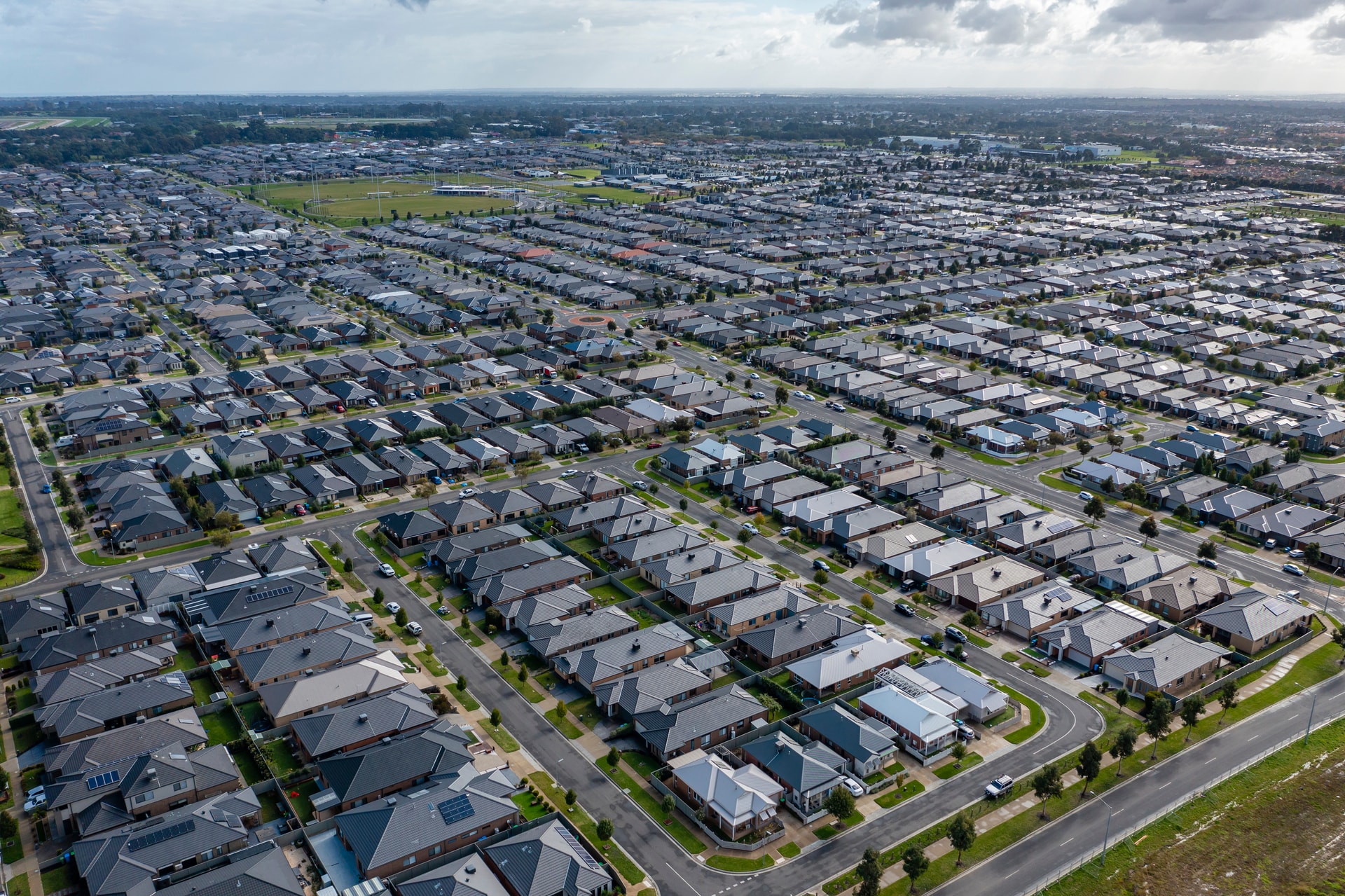
The government estimates Victoria will add nearly 2 million extra homes from 2028 to 2061.
The Victorian and local governments will need to fund new infrastructure and expand existing infrastructure to support these new homes.
This advice looks at better ways in which this infrastructure can be funded.
Scope
Scope
The advice covers the state and local infrastructure needed by residents of new homes including transport, water and social infrastructure like health, education, recreation and cultural facilities.
We considered some of the different revenue options governments have to fund this infrastructure including:
- infrastructure contributions
- property-based revenues like land tax and stamp duties
- windfall gains tax
- council rates
- user charges.
We also assessed the impact of the different options on the feasibility of new housing developments.
Funding to maintain existing infrastructure or adapt infrastructure to climate change is out of scope for this advice.
Delivery
Our Advice on funding infrastructure for new homes was delivered to the Treasurer on 30 September 2026.
Thank you to our stakeholders for their contributions to the advice.
Any enquiries should be directed to the government.
Resources
Browse all resources
Our home choices
This report looks at how to shift housing demand from new growth areas to give more Victorians the choice to live in established suburbs.


The homes Victorians choose and the homes they want
Our expert panel discuss how to give more Victorians more home choices in established suburbs. We look at policy options from Our home choices report.