Water
Climate change and population growth are putting more pressure on water supplies, catchments and urban systems. Infrastructure Victoria’s work guides planning and investment to improve water security, protect the environment and manage flood risk.
Challenges
Catchments and rivers are under climate stress
Victoria’s communities, agriculture, environment and Traditional Owners all need more water. A warmer, drier climate means less water reaches rivers and dams. Forested catchments filter drinking water supplies, saving $83 million in treatment costs. Bushfires threaten these catchments, reducing water quality and quantity. First Peoples have limited influence on how water is managed and used on Country.
Victoria needs to use more recycled water
Victoria reused only 15% of wastewater in 2021-22. Recycled water already supports farms, sports fields, parks, industry and the environment. Some households use it in gardens, laundries and toilets. It costs less than treated stormwater, relies less on rainfall and reduces discharges into rivers and oceans. Recycled water can help protect biodiversity and ease pressure on drinking supplies.
More water sources are needed
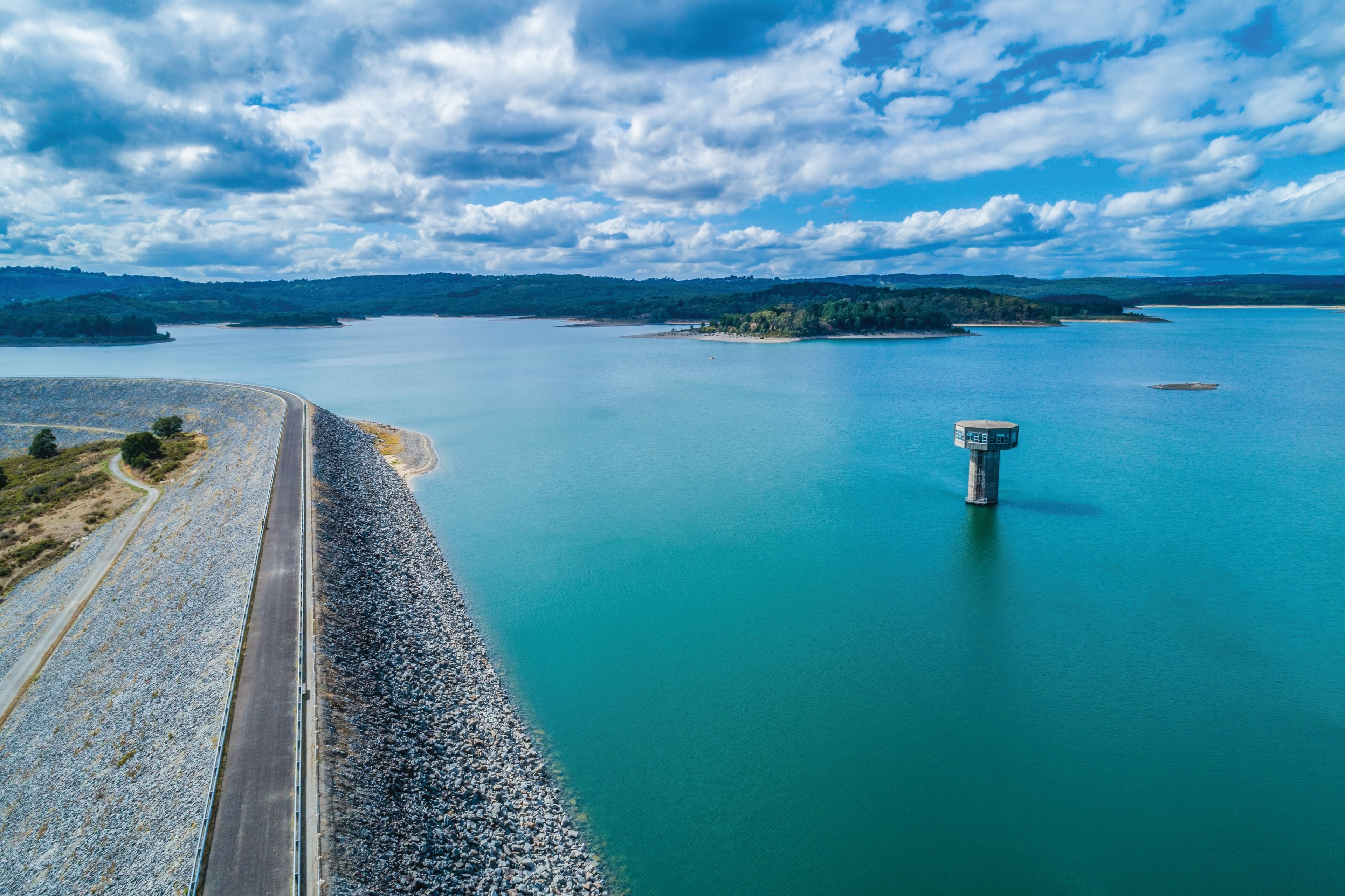
Victoria needs a more climate-resilient water supply. Manufactured water, like desalination and recycled drinking water, can add new sources to the system. But large projects can take up to 10 years to plan and build. Melbourne, Geelong and Bendigo face future shortfalls and ageing assets. Victoria must secure new sources in time to meet demand and protect rivers.
*Information current at the time of publication of Victoria’s infrastructure strategy 2025-2055 (November 2025)
Recommendations
View allRelated resources
Browse all resourcesHow do we make our water supply more sustainable and meet future water demand?
In this webinar, experts discuss how to manage increasing water demand as our natural water supply declines.
Reforming water sector governance
This report identifies opportunities to reform Victoria’s water sector and make our water supply more sustainable.